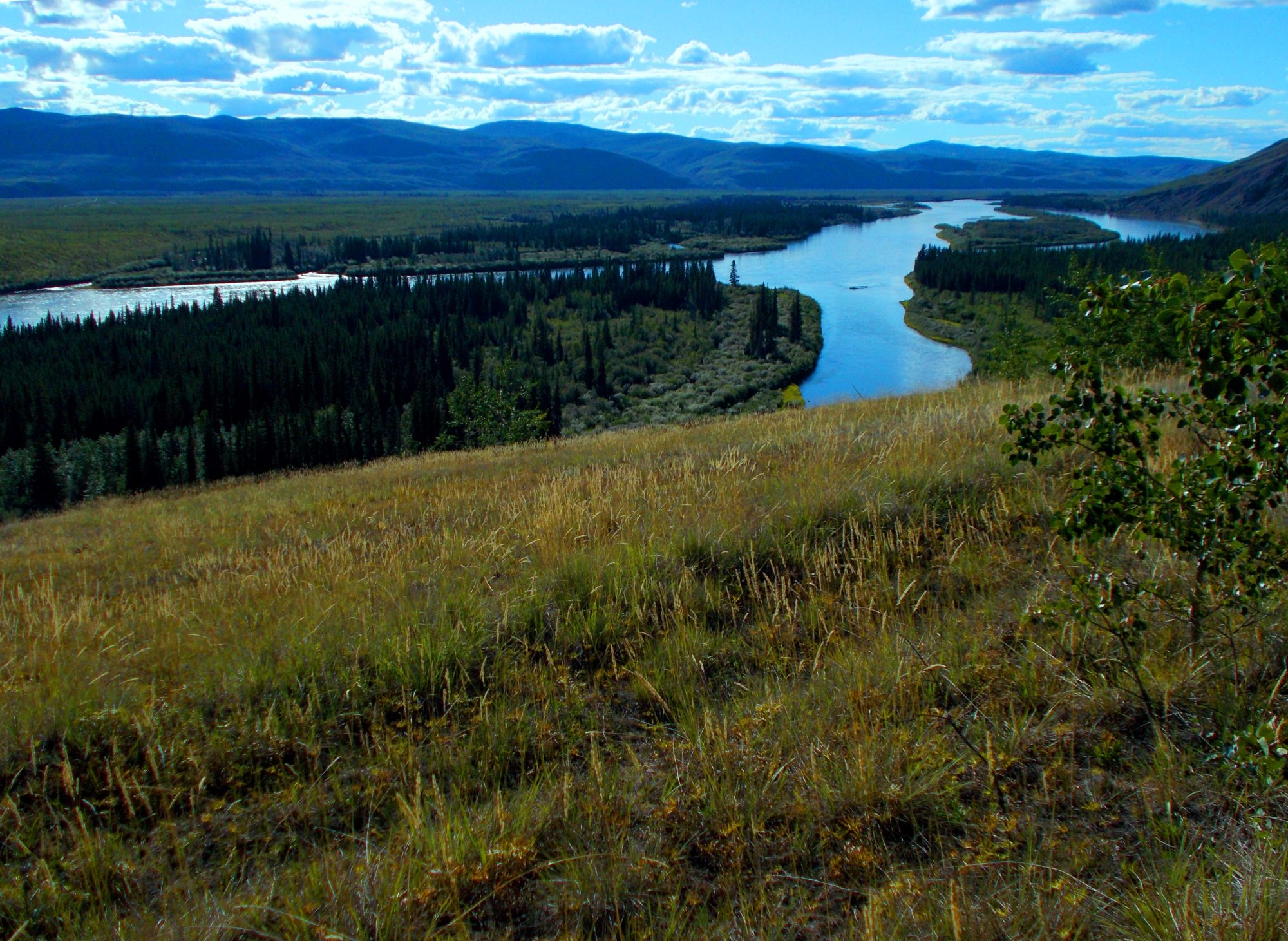
A site locally known as the ‘Horsfall place’ on the Yukon River near Fort Selkirk is one I first heard about as a kid in the 1960s at the Pelly River Ranch. When I asked what and where that place was, one of the Bradley brothers at the ranch pointed toward the west and said it was an old farm six miles over there on the Yukon River. He didn’t explain that Horsfall was a name of people, rather than something to do with horses, and it came to hold a bit of intrigue for a young me.

(Google Earth)
I learned sometime later that the Horsfall place was the homestead of Joseph and Julia Horsfall and the large family they raised there from about 1912 to the latter 1920s. I eventually visited the site, but not before the buildings and most other remains had gone into the river due to erosion of the bank. When I later researched this place as well as the Horsfall name to see what Yukon history stories they had to tell, I expected it to be a simple river homestead story. However, it grew into one that touched on other Yukon history themes, including Hudson’s Bay Company forts and fur trade routes, Anglican Church activities, the Edmonton route to the Klondike, trapping on the MacMillan River, homesteading on the Yukon River, life at Fort Selkirk and Minto, carrying the mail, and delivering babies.
This Horsfall family story is about a couple who ventured to the Yukon for the Klondike gold rush, but took up another life along the rivers of the central Yukon. They had very different heritages and early lives, she a Gwich’in woman of northern Canada and Alaska and he a teacher’s son from Norfolk, England. They fashioned a life together for more than 45 years, including raising nine children on the land, beginning in Alaska and then the Yukon.
The Horsfall name in relation to this family is no longer heard in the Yukon with the eight daughters acquiring other surnames through marriage and their only son dying tragically young. However, there are descendants remaining along with some material evidence of the Horsfalls’ life in the Yukon and two geographical place names that mark their legacy. Their story as told here is based primarily on publicly available information, with some additional material provided by a Horsfall relative.
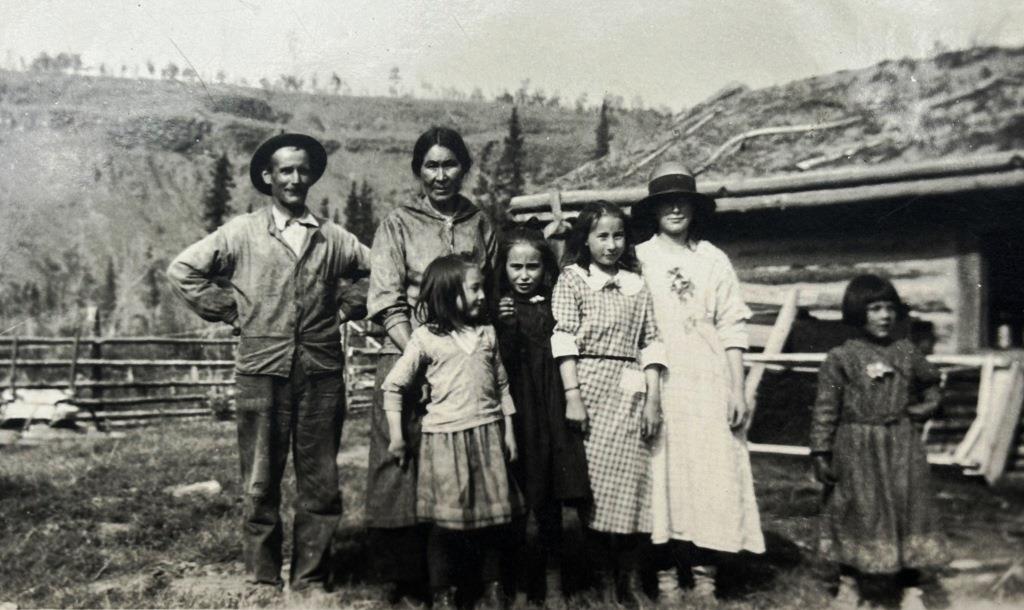
(Yukon Archives, Anglican Church Diocese fonds, Acc. 89/41, #918)
Joseph Fisher Horsfall (1864-1943)
Joseph Fisher Horsfall was born in 1864 in eastern England, the second of four children of a teacher in a religious school. As a teenager he was an apprentice in an iron foundry, but after the death of his father he left England to sail to Canada, arriving at Quebec in August 1885, shortly before his 21st birthday. Life in his part of England may have been difficult or provided few opportunities because his brother and two sisters eventually followed him to North America.
Joseph went to the United States at some point and became a rancher in Livingston, Montana, where he obtained his American citizenship in 1894. By 1896 he was connected to two ranches in that area, but ran into financial difficulties and was forced to forfeit his properties, perhaps due to the 1893-1897 American economic depression. By 1897 he had left the Unites States for Canada, and that summer was working in Alberta on a crew surveying prairie homesteads and lands, including the road from Edmonton north to Athabasca Landing.
When word of the Klondike gold discovery spread across the world in the summer of 1897, Joseph would have been witness to the young city of Edmonton becoming a transportation hub and supply center for a number of routes to the Klondike. Most were a combination of various overland and water routes, but one termed the ‘main water route’ took a long course that had been used by the Hudson’s Bay Company fur traders for decades. It followed the Mackenzie River system to within 100 miles of the Arctic Ocean, then crossed into the northern Yukon and the Yukon River drainage to Fort Yukon, Alaska. For the Klondike goldrushers taking this route from Edmonton, the primary jumping-off point was Athabasca Landing.
Joseph Horsfall, perhaps motivated by the excited goldseekers making their way from Edmonton to Athabasca Landing along the road he was surveying, quit his job in early August 1897. He joined up with a man named John Bain from Winnipeg and together they built a boat with a 16-foot keel that could carry 3500 pounds. Leaving Athabasca Landing in late August or early September, Joseph set off on his Klondike venture, and at some point met Julia Kirkby Sim.
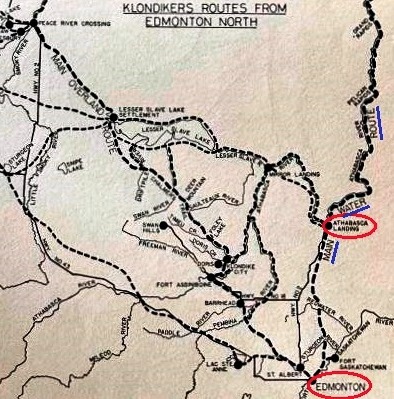
(map on inside front cover of James McGregor’s 1970 book “The Klondike Rush Through Edmonton”)
Julia Kirkby Sim (ca. 1876-1959)
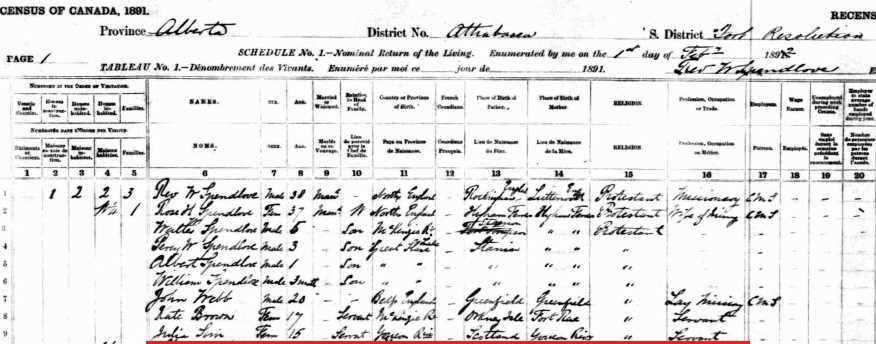
Julia Kirkby Sim’s place and year of birth are uncertain, but there is some consistency in the sources that she was born on the Yukon River in Alaska, in or about 1876. This includes the 1891 Canada census, where she appears as a 15-year old servant girl in an Anglican minister’s household in Fort Resolution, NWT, but shown to be born almost a thousand miles from there on the Yukon River. The 1900 United States and 1911 Canada censuses also have her born in Alaska. Records also indicate that Julia’s parents were a Gwich’in mother who was born on the Yukon River in Alaska and a Scottish or American father, likely a fur trader with the Alaska Commercial Company or Hudson’s Bay Company (HBC).
Oral history telling of this background, presumably by Julia herself, is contained in big-game hunter Charles Sheldon’s book “The Wilderness of the Upper Yukon” (1911), after he met the Horsfall family on the Pelly River in 1905. Sheldon recorded that Julia was born to a woman of the First Nations people occupying the Porcupine River, which is in both the Yukon and Alaska. As a young girl she was taken to the Anglican missionary school at Fort McPherson on the Peel River, a tributary of the Mackenzie River, where she learned to read, write, cook, and do domestic work. In the fall, winter, and spring she joined her mother’s people living out on the land, perhaps from the Mackenzie River area of the NWT to the Fort Yukon area of Alaska.
Julia’s whereabouts in 1897 and the first part of 1898 are unknown, but during that time period she was likely somewhere along the HBC fur trade route from Alberta to Alaska. By then it had also become the Edmonton-Klondike water route and she is recorded as arriving in Alaska on it from the Mackenzie River in 1898, together with Joseph Horsfall.
Joseph and Julia on the Edmonton Route to the Klondike (1897-1898)
The Chilkoot Pass and Yukon River route to the Klondike goldfields was the most popular and well-known way for goldseekers to travel to Dawson, but much lesser known routes included ones that started at Edmonton, Alberta. These were much longer and generally tougher than the Chilkoot route, as described this way by author James McGregor in his book The Klondike Rush Through Edmonton (1970): “for magnitude, daring, and adventure, this year-long migration of prospectors over routes that varied from 1,500 to 2,500 miles is unparalleled in Canadian history”. An estimated 725 people, less than half of the 1,500 people who started from Edmonton by the various routes, made it to the Klondike and 70 died along the way, two of whom were babies. Twenty women went by these routes and one baby was conceived and born along one of them.
There were two main routes from Edmonton, one called the Water Route which was down the MacKenzie River system, westward on the HBC trading trail from Fort McPherson into the Yukon and Alaska, then up the Yukon River from Fort Yukon to Dawson, a total distance of over 2,500 miles. The other route was the Overland Route which had many variations that were on the order of 1,500 miles long, most with the objective of getting to the Liard River, ascending it to the divide over to the Pelly River, then going down the Pelly and Yukon Rivers to Dawson. Because the gold rush to the Yukon did not seriously commence until the summer of 1897, making a start by any of the routes from Edmonton at that time required taking a two-year food supply and overwintering somewhere along the way.
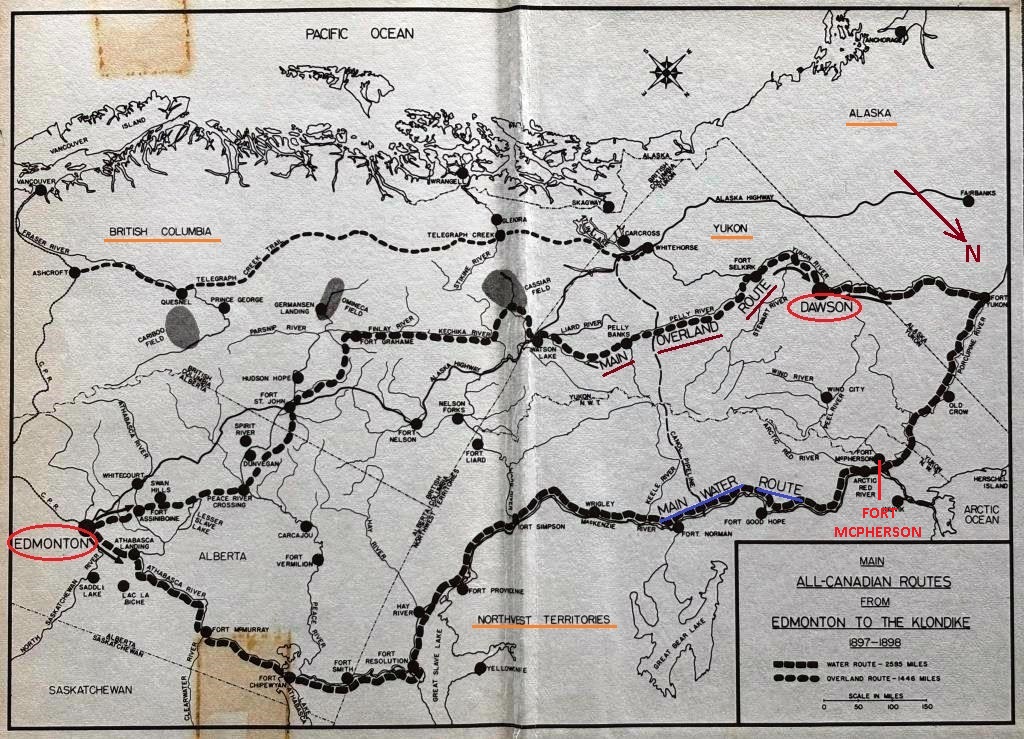
(map on inside front cover of James McGregor’s 1970 book The Klondike Rush Through Edmonton)
After quitting his survey job and teaming up with John Bain, Joseph Horsfall embarked in the late summer of 1897 on the water route from Athabasca Landing, one of 860 people who eventually went that way. James McGregor’s book suggests that Julia was also along from the start of the journey at Athabasca Landing, but I have found no evidence of this either way. Horsfall(s) and Bain went northward down the Athabasca and Slave Rivers to Great Slave Lake in the NWT. Along the way they would have dealt with rapids and portages and other hazards, and considerable hard work rowing, poling, steering, and occasionally portaging their boat.
The travellers entered Great Slave Lake near Fort Resolution, where six years previously Julia Kirkby Sim had lived as a 15-year old with an Anglican minister’s family. It is a possibility she was still there and joined Horsfall and Bain on their Klondike journey. From Great Slave Lake they entered the Mackenzie River, which they followed for 200 miles to Fort Simpson and stopped there to spend the winter. That fall of 1897, they were only two (or three) of 106 goldrushers to get beyond the Alberta/NWT boundary before winter started to set in.
Joseph and Julia’s daughter Martha’s 1938 British Columbia marriage registration contains the information that Julia was born in Fort Simpson, NWT. Whether this is true or not, it suggests there was family knowledge that Julia had a connection to Fort Simpson, and it could be that it was there that she met Joseph in the winter of 1897-98.
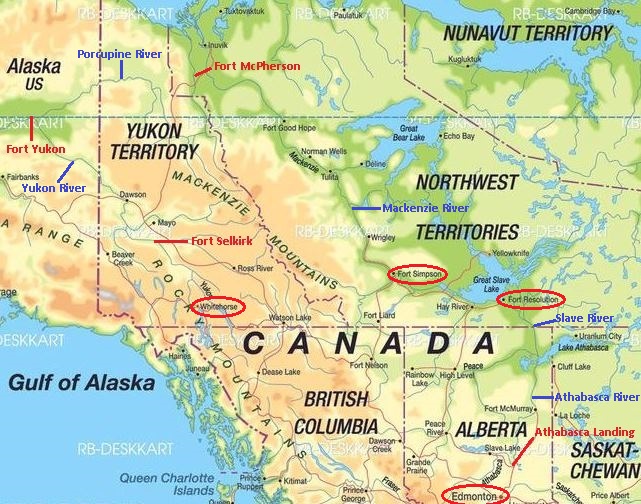
(Map of Canada West (Region in Canada) _ Welt-Atlas_de)
Joseph’s partner John Bain evidently quit the trip at Fort Simpson, while Joseph is noted as leaving there on May 19, 1898 with an H. Anthony and travelling down the Mackenzie River in the company of two others, with no information if Julia was part of this group. They went to Fort McPherson on the Peel River, the start of the overland route into the Yukon and the Yukon River drainage that provided water access to the Klondike. On June 13 they began heading westward up the Rat River, an onerous trip up a small waterway that involved pulling, pushing, and portaging their boat and its cargo up to and over MacDougall Pass into the Yukon.
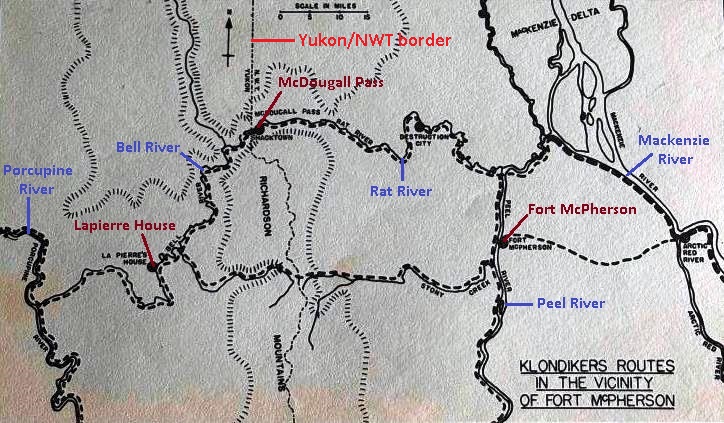
(map on inside front cover of James McGregor’s 1970 book “The Klondike Rush Through Edmonton”)

(Gord Allison photo)
From Fort McPherson it took the group more than a month to get to Lapierre House, an HBC stopover place on the Bell River in the northern Yukon, arriving there on July 15. There they joined up with two other men and went down the Bell, reaching the Porcupine River two days later. They passed the HBC post at Rampart House, near the Yukon-Alaska border, on July 24 and likely arrived at Fort Yukon in early August. Joseph and Julia were two of an estimated 400 people who reached the Yukon River by this route from the Mackenzie River, with Julia being one of 11 women on the journey and only six who made it.

(Gord Allison photo)
The Horsfalls in the Fort Yukon, Alaska Area (1898 – ca. 1902)
Newspaper articles in early 1899 state that Joseph and Julia Horsfall came from the Mackenzie River to the Fort Yukon area in the summer of 1898, and were accompanied by a W.J. Dobbins who had also spent the previous winter at Fort Simpson. Though they had joined the rush to the Klondike, by the time they got to Fort Yukon they likely became aware that they were too late to procure a Klondike mining claim and chose to stay in the Fort Yukon area.
In early 1899 it was reported that Joseph and Julia along with Dobbins were missing, believed to be lost on a 30-mile trip in October 1898 down the Yukon River (west) from Fort Yukon. When they didn’t arrive it was thought that their boat was probably crushed in the ice that was running in the river at the time known as ‘freeze-up’. The details of what happened with them aren’t known, but they turned up alive and well. In 1905 when the Horsfalls met Charles Sheldon on the Pelly River in the Yukon, they told him that they had spent three seasons trapping near the head of the Chandalar River to the northwest of Fort Yukon. They were likely heading to that area to trap when they were thought to be missing or worse in the fall of 1898.
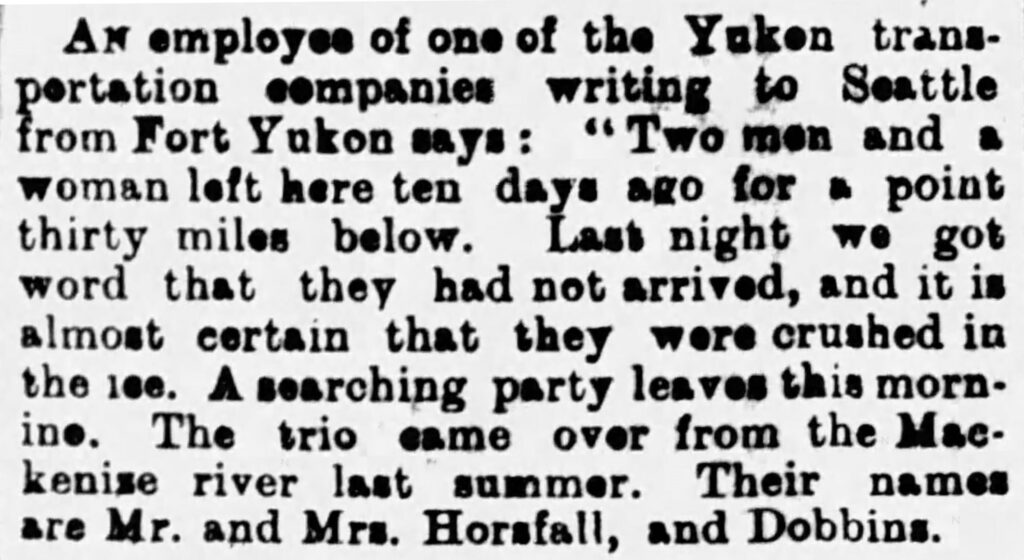
(Edmonton Bulletin, 13 February 1899, p. 1)
It was while they were in the Fort Yukon area that Joseph and Julia started their family, first with the birth of daughter Jane in May 1899 and then daughter Ada in September 1901. At some point they decided to leave there and move several hundred miles up the Yukon River into the central Yukon. What informed their decision to do this is unknown, but they may have heard about the good trapping country along the MacMillan River, a tributary of the Pelly River. How they made a move of this distance with two small children is also unknown, but it was likely undertaken in the summer by steamboat.
The Horsfall Family on the Pelly and MacMillan Rivers (ca. 1903 – 1907 )
Joseph and Julia Horsfall may have spent their first winter in the Yukon, presumably 1902-03, at Fort Selkirk accumulating what they needed and making preparations to go up the nearby Pelly River the following summer. They were somewhere on the Pelly in 1903 when their third daughter, Lily, was born in December of that year. This would have been the beginning of their annual cycle for the next few years, taking their boatload of provisions from Fort Selkirk up the Pelly and MacMillan Rivers in the summer, spending the winter on the land trapping, hunting, and perhaps prospecting, and then taking their winter’s fur catch back to Fort Selkirk in the summer to sell and to replenish their supplies.
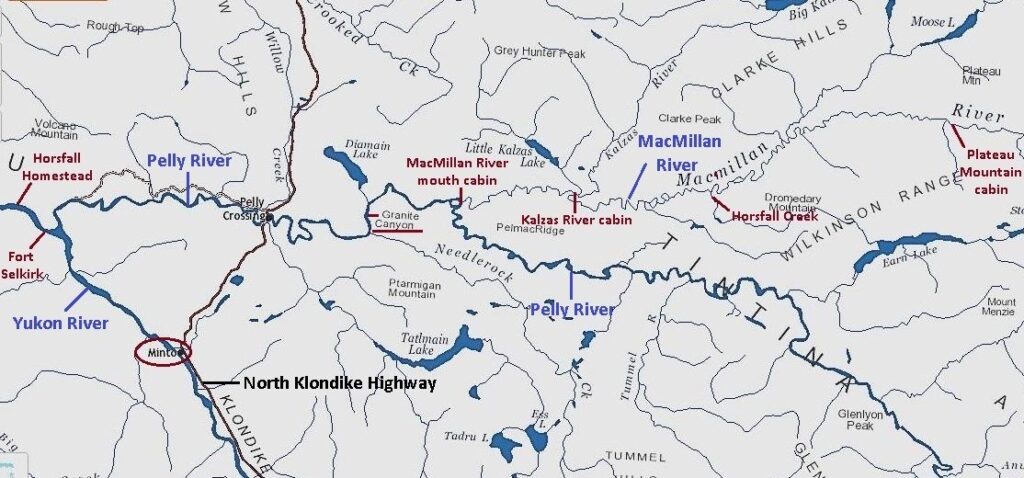
The Horsfalls appear to have spent the years 1903 to 1907 on the Pelly and MacMillan Rivers, and were known to be associated with cabins at the mouth of the MacMillan River (77 miles from Fort Selkirk), Kalzas River (101 miles), and near Plateau Mountain (194 miles). A location now with the official place name of Horsfall Creek, 133 miles from Fort Selkirk, may also have been a place where the family spent some time. These river mileages and some information about the Horsfall family in this article are taken from Mike Rourke’s Pelly River guidebook.
In July 1905 Inspector John Taylor was on a trip up the Pelly River in the Royal North-West Mounted Police (RNWMP) steamer Vidette when it came upon Joseph Horsfall and a man named Eastman. Taylor’s report said that they were making their way up the Pelly with a year’s supply of provisions and were going to their cabin 30 miles up the MacMillan River. From there they were going to do some prospecting to the north on the headwaters of Crooked Creek, the second year that they had done this.
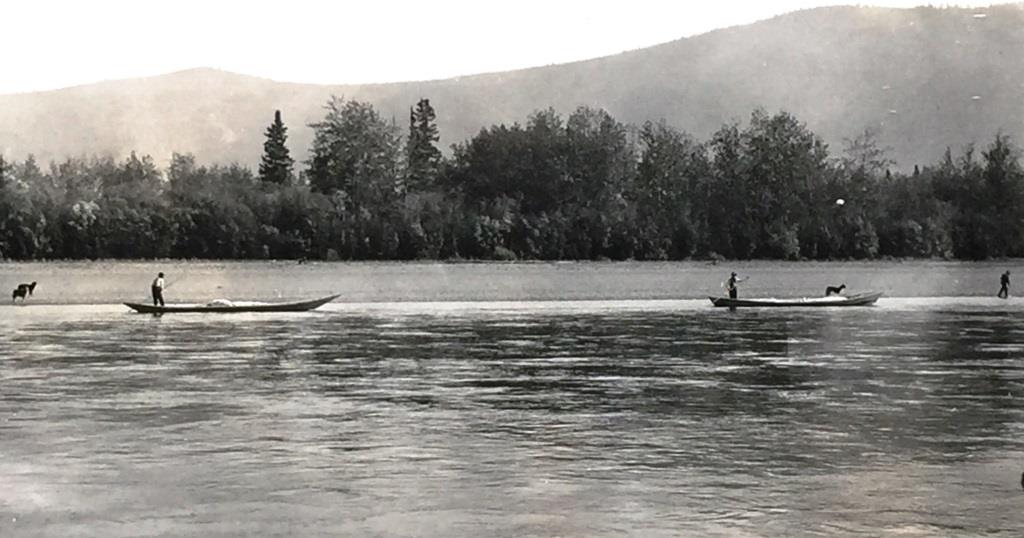
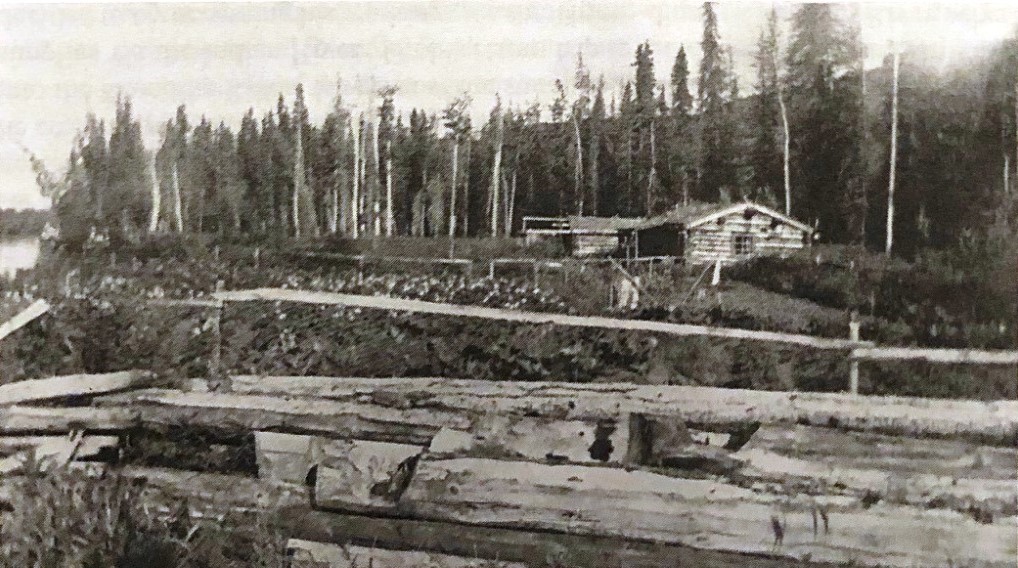
Taylor made no mention of Horsfall’s family being along, but the big-game hunter Charles Sheldon, who was also on board the Vidette, described meeting the Horsfalls in his book. He said that Joseph had Julia and their children along and was tracking (pulling) a long poling boat with their supplies and bound for Kalzas River on the MacMillan River. There they moved into a cabin Horsfall had built there to spend the winter trapping around Kalzas Lake.
(Yukon Archives, Christopher Everett Webb fonds, Acc. 80/87, #49)
(Yukon Archives, Robert Ward fonds, Acc. 77/46, #8772)
The Horsfalls’ 1905 trip up the Pelly and MacMillan Rivers started from Fort Selkirk and probably took them a couple of weeks. On this trip, they and their provisions were provided a ride on the Vidette as far as the mouth of the MacMillan River. There they were let off to occupy a small cabin that was close to a large eddy, where they were going to net some salmon for the winter before poling on up the MacMillan River to the Kalzas River cabin.
Charles Sheldon and another big-game hunter, Frederick Selous, wrote accounts of their interactions, in 1905 and 1906 respectively, with Joseph and Julia Horsfall on the Pelly and MacMillan Rivers. Both focussed primarily on Julia and were glowing in their praise of her abilities, competence, and demeanour.
Sheldon said this: “I have found her the most interesting character I have known in Alaska or Yukon Territory. … Her face was stamped with an exceedingly sweet expression; her manners were modest and refined; her language flowed in a soft, sympathetic tone. … Supple, strong, and enduring, she could pole or track a boat, put out traps and nets … and could cook … with the provisions gleaned from the woods, and under the conditions in the wilderness. She was also skilful to a high degree in all the practical work … – dressing animals, and tanning their skins, catching and drying fish, making moccasins, robes, and clothes” and more. He also marvelled at her ability to maintain life in a cabin with several small children while her husband was away on the trapline, often during very cold temperatures.
Sheldon’s book also included two good photos of the Horsfalls taken by a big-game hunter named H.Q. French in the late summer of 1909. One of the photos is of Julia and an unidentified man in a boat in the river at Fort Selkirk taking in a salmon fishing net.
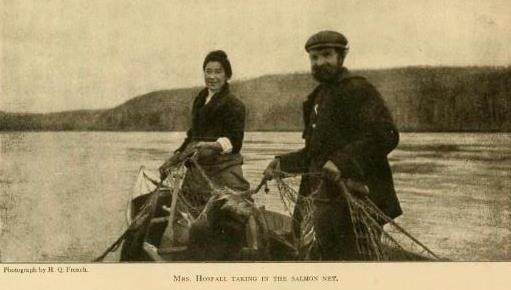
(H.Q. French photo in Charles Sheldon’s “The Wilderness of the Upper Yukon”, p. 182)
In his book “Recent Hunting Trips in North America” (1907), Frederick Selous told about a traumatic event that confronted Julia Horsfall in the spring of 1905, a few months before she and her family were picked up by the RNWMP steamer Vidette. Selous recorded it in his book a year later as told to him by Joseph Horsfall, and is written as if verbatim. Paraphrased, it is as follows:
When the ice went out of the Pelly River in the spring, likely early May, Joseph left his wife and children in the cabin where they had spent the winter and went down to Fort Selkirk to get provisions, intending to return by the end of May. While he was gone, the wood stove somehow caught the cabin on fire while Julia and her girls were asleep and they barely escaped, dressed only in their nightclothes. Everything in the cabin was destroyed, leaving them exposed to the elements, so Julia put her children in a small boat they had there and started to row down the river. Where they started from is not known, but it was nightfall two days later when they approached Granite Canyon, a fast and difficult stretch of the river 25 miles upriver of present-day Pelly Crossing.
Julia did not expect to meet Joseph along the way and so intended to go through the canyon in the semi-darkness of late May, which Joseph later described as “a most terrible risk to run”. By good fortune, he was on his way back up the river ahead of schedule and camped above the canyon when he heard a boat being rowed. He recognized the distinct sound that the oars of his boat made and hollered out, to which Julia responded and rowed to shore. Joseph said “my poor little children were near death’s door, from starvation and exposure to the bitter cold, when I got them ashore”.
Another incident experienced by Julia around this time was related to Charles Sheldon. One day when Joseph was away, she noticed an otter swimming toward the fishnet she had stretched across an eddy in the river and then saw one of her dogs jump in after it. She got into her canoe and started poling toward them, just as the dog grabbed hold of the otter and both went under, getting tangled in the net. With one hand on the pole to steady the canoe, she pulled the dog out by its tail, the otter in its jaws, along with part of the net. They started to struggle in the canoe, but Julia was able to pull the dog off the otter, grabbed the otter by a hind leg, and managed to kill it with the pole. She donated the skull of the large male otter to Sheldon and it ended up in a Washington biological institute.
The Horsfalls spent the winter of 1905-06 on the MacMillan River and their fourth daughter Rose was born there in April 1906. Sometime that summer Joseph, with or without his family, would have made the trip down to Fort Selkirk to sell their furs and load up with provisions for the coming year. Their seven-year old daughter Jane remained in Fort Selkirk to be educated at the mission school there. In August of 1906 the RNWMP patrol in the Vidette found the family to be living in their cabin at the mouth of the MacMillan River, 77 miles from Fort Selkirk.
(GeoYukon map base)
The Horsfalls were said to have spent that 1906-07 winter in a cabin near Plateau Mountain, about 125 miles further up the MacMillan River. This was the last year that they travelled and lived on the Pelly and MacMillan Rivers making their livelihood, and with four daughters eight years of age and younger they appear to have turned to a more settled life at Fort Selkirk.
The Horsfall Family at Fort Selkirk (1907 – ca. 1912)
Joseph Horsfall took over the running of the post office at Fort Selkirk In the summer of 1907 and the following year was officially appointed to the position. That same year, in September of 1908, the Horsfalls’ fifth child and only son, Charles, was born at Fort Selkirk and is included in a 1909 photo in Charles Sheldon’s book by H.Q. French. The year-old Charles is shown in his mother’s arms, along with his father and four siblings, likely at Fort Selkirk.
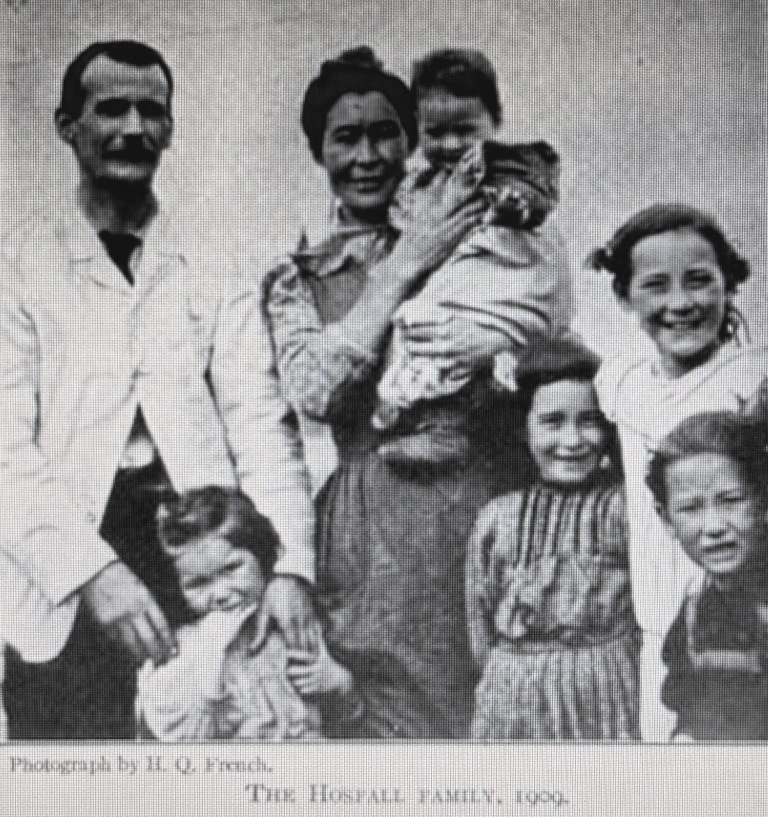
and son Charles in Julia’s arms, 1909, likely at Fort Selkirk.
(H.Q. French photo in Charles Sheldon’s “The Wilderness of the Upper Yukon”, p. 190)
Joseph remained the postmaster at Fort Selkirk for two and a half years, resigning from it in January 1910. That year he took over the liquor licence of the Dominion Hotel and was described in various sources as a merchant, storekeeper, and trader, with the hotel evidently operating also as a store, restaurant, and bar. The exact location of the building(s) has been lost to time, but it was said to be on the downriver (west) end of Fort Selkirk.
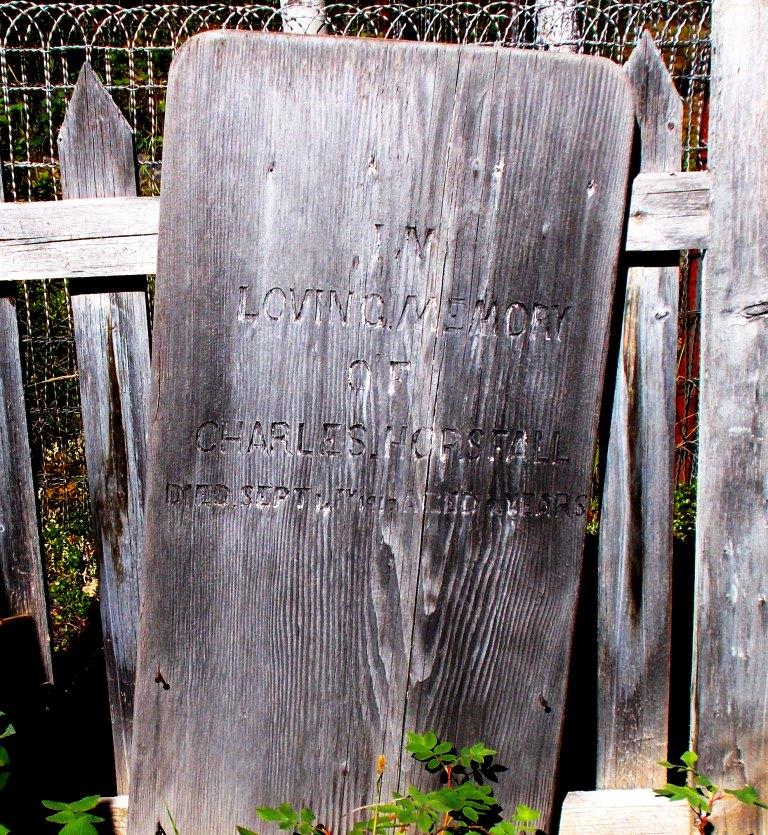
In early September 1910, tragedy struck the Horsfall family when their store caught on fire and two-year old Charles was badly burned and died soon afterwards. This tragedy along with losing their business perhaps precipitated a decision by Joseph and Julia to make a change in their life, and it appears to have started that fall by establishing a homestead down the river from Fort Selkirk.
(Gord Allison photo)
The Horsfall Family’s Yukon River Homestead (ca. 1910 – ca. 1925)
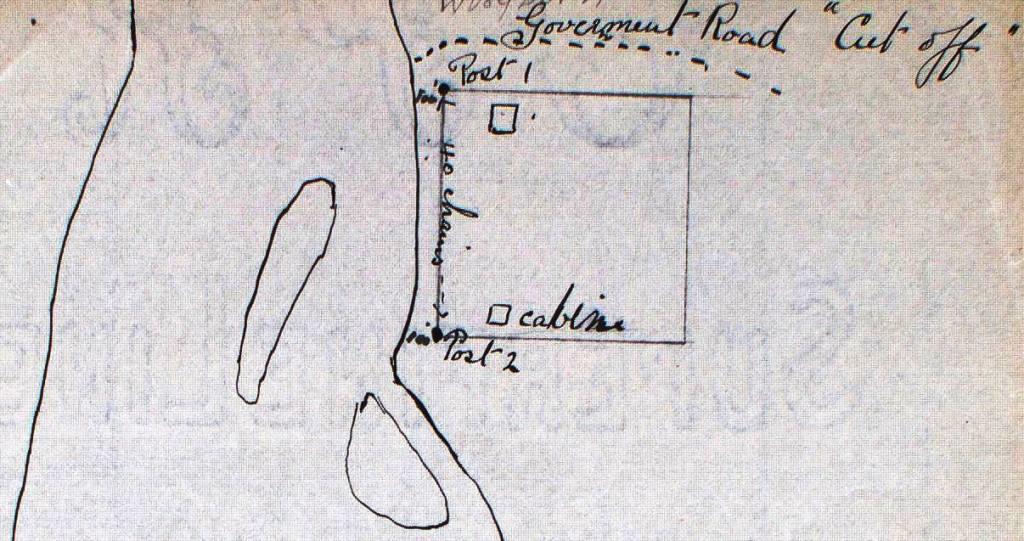
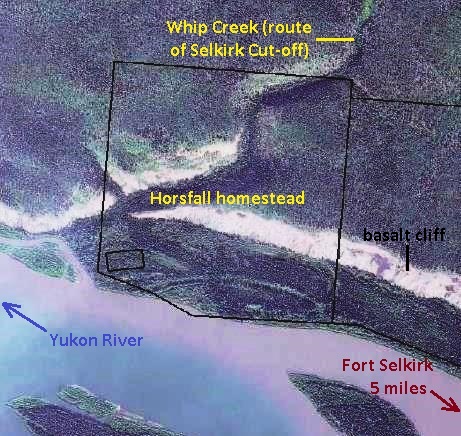
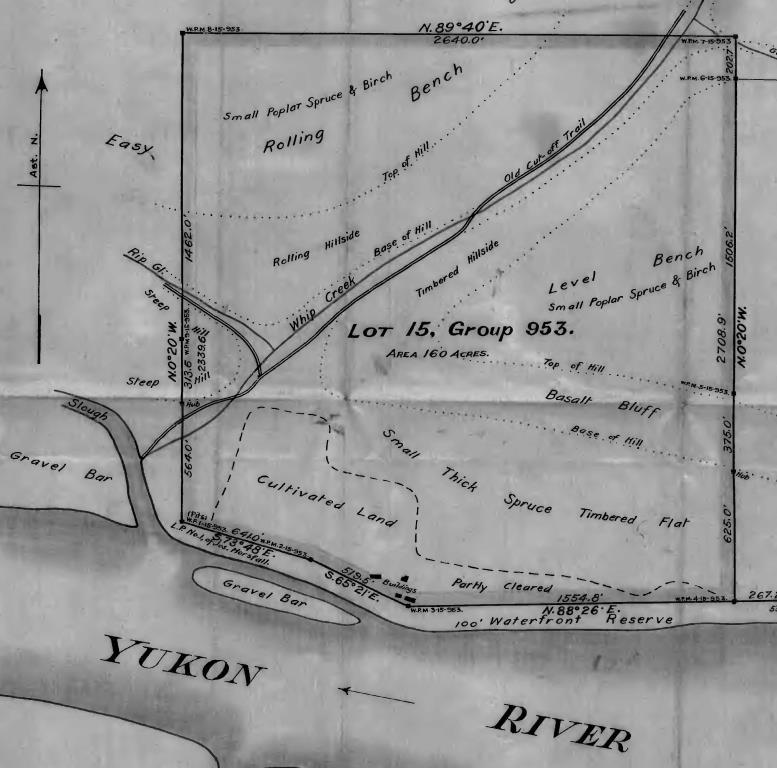
In October 1912 Joseph Horsfall wrote a letter to the government that he intended to apply for a homestead on the Yukon River five miles downriver (northwest) of Fort Selkirk. He said he had a cabin there for the past two years and had cut 100 cords of wood for the steamboats, indicating he may have started this enterprise not long after his son Charles’s death in September 1910. At the time of his application, he said he was building a large house for his family. He included a sketch of a square plot of 160 acres (a half-mile on each side) on the north side of the river, with the cabin and another building, presumably the house, also shown.
(Yukon Archives, GOV 1651, File 28459)
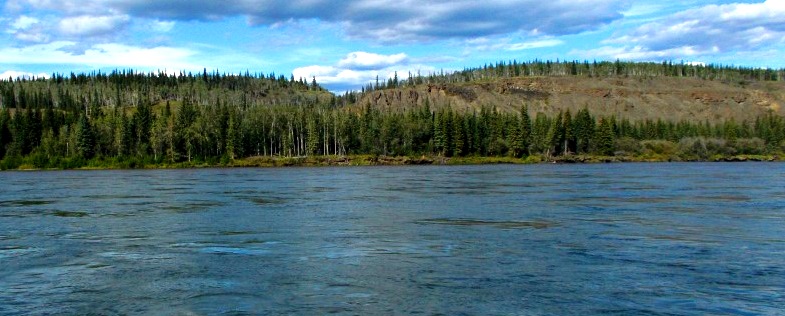
Horsfall’s sketch also showed the homestead area to be on the upriver side of the “Government Road cut-off”. When the Dawson-Whitehorse Overland Trail was built in 1902, it followed along the opposite side of the Yukon River from Fort Selkirk, therefore bypassing it by a few miles. A loop road to connect it with the Trail went west from the community and crossed the Yukon River at the location of Horsfall’s homestead at the mouth of Whip Creek, whose valley provided a break in the large volcanic basalt wall that borders the river for many miles. This road, called by a few names using the word “Cut-off”, went up the Whip Creek valley and joined onto the Overland Trail about five miles to the north of the river and homestead. (see link to related Overland Trail article at end)
(Google Earth)
(Gord Allison photo)
The family appears to have remained in Fort Selkirk while Joseph was preparing a life for them at the homestead and making a living there as a woodcutter at the same time. In the 1911 census, Joseph and Julia and their daughters were shown to be at Fort Selkirk, where their fifth daughter, May, was born in March 1911. The family began living on the homestead on May 1, 1913, and in August of that year their sixth daughter, Anna, was born at Fort Selkirk.
In 1915 Joseph was reported to have seven acres under cultivation at the homestead, five in hay and two in garden produce. That year he also applied for 25 acres of hay meadow land around two small lakes that came to be known as the Horsfall Lakes, located three miles north of the homestead along the valley of Whip Creek (also the route of the ‘Selkirk Cut-off’ and a mile to the west. Joseph cut hay from these leased meadows for about eight years, then cancelled it, stating that he by then had enough land under cultivation on the homestead to grow enough livestock feed for his needs. (see link to related Hay meadow article at end)

(Google Earth)
In December 1915 Julia Horsfall gave birth to her seventh daughter, Martha, and in April 1918 to her eighth, Marian, both born at the “Selkirk Cut-off” according to their baptismal certificates. Their father Joseph was noted as a farmer on the 1915 certificate and a woodcutter and freighter on the 1918 one. Like many others living that rural river lifestyle, he was doing whatever he could to make a living for his family from their homestead and the land around it.

(Library of Congress)
(Canada Lands Survey Records, Field Book #15611)
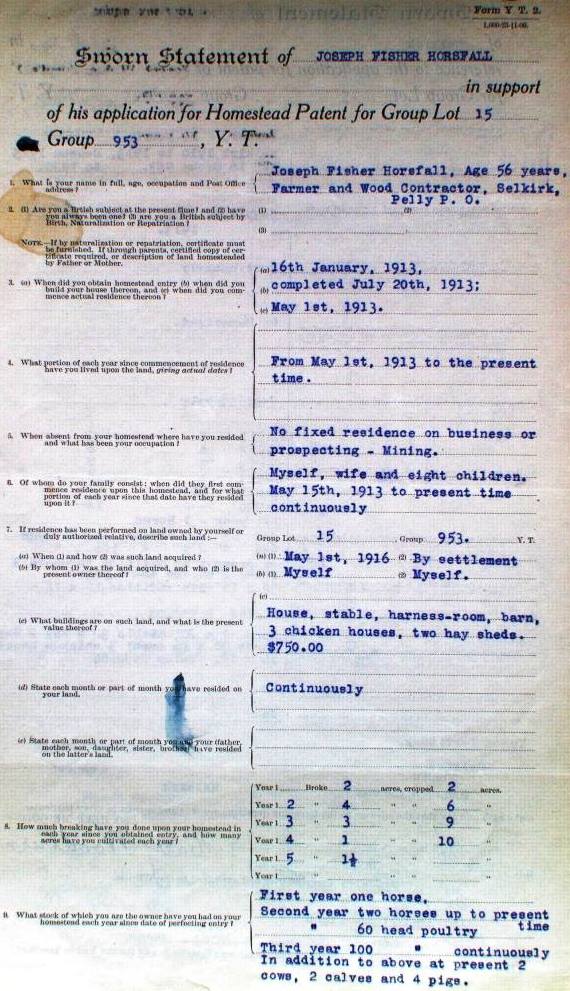
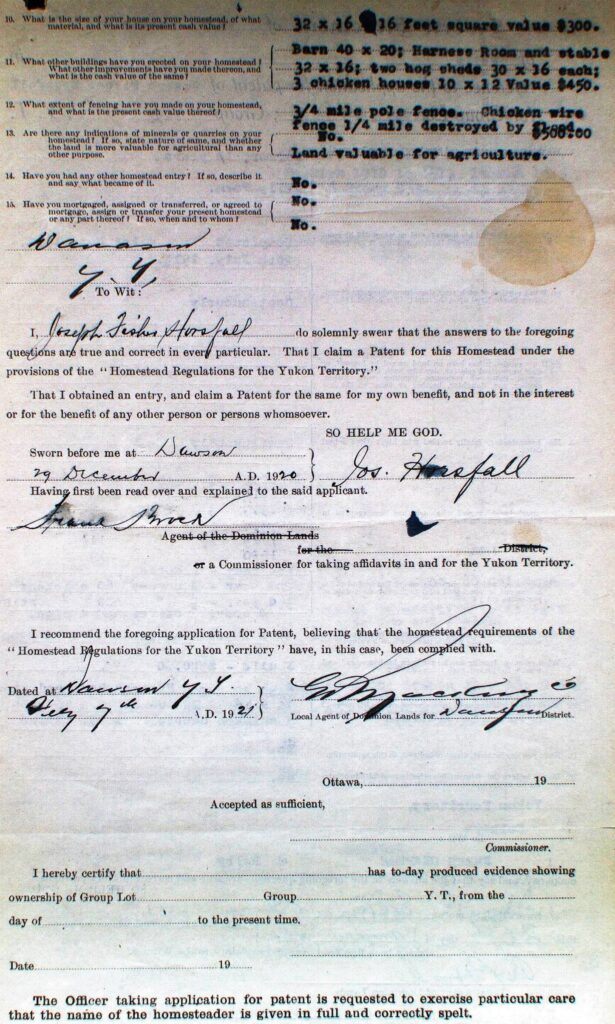
Horsfall’s application for title showed that he had 14 acres cultivated, a 32’x16’ house with 16’x16’ addition, a barn 40’x20’, several other outbuildings, and livestock including cattle, pigs, and chickens along with his horses. As it turned out, Horsfall’s title to the homestead was delayed until he received his Canadian citizenship, which didn’t happen until 1920, and the title was eventually granted at the end of 1921.
(Yukon Archives, GOV 1651, File 28459)
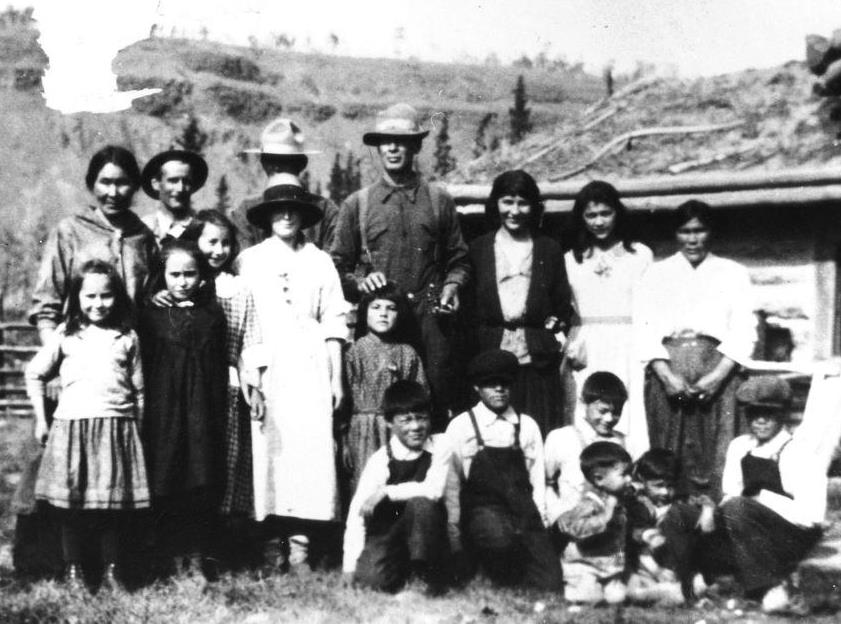
The summer after acquiring title to the homestead, a photo was taken there of the Horsfalls along with the well-known and large family of Ira and Eliza Van Bibber. The Van Bibbers started their family in 1908, whereas the Horsfalls had started theirs nine years before that, so only the youngest three of their daughters were present for the photo at the homestead in 1922.
(Yukon Archives, Van Bibber family fonds, Acc. 79/2, #147)
In August 1925 the Horsfalls acquired the adjacent Harry Woodburn homestead, but it is not known if they did anything at that site. This also appears to be close to the time that the Horsfalls left their homestead and moved 27 miles up the Yukon River (southeast) to Minto. The reason(s) for this are not known, but Joseph was by then into his 60s, and maintaining a homestead and woodcutting enterprise required a lot of physical work.
By the time the Horsfalls left the area, the Dawson-Whitehorse Overland Trail had been rerouted and the section to the north of their homestead had not been in use for a few years. However, the old cut-off trail through the homestead site continued to be used afterwards by trappers and others, and also provided part of an eight-mile overland access through the bush to Pelly Farm. Hugh Bostock of the Geological Survey of Canada wrote about unloading their pack horses from steamboats at the Horsfall site and taking them along the trail to the farm for overwintering. Ione Christensen, who spent most of her childhood at Fort Selkirk, also recalled a time that a fairly wild bull was unloaded there and walked over the trail to service the cows at the farm.
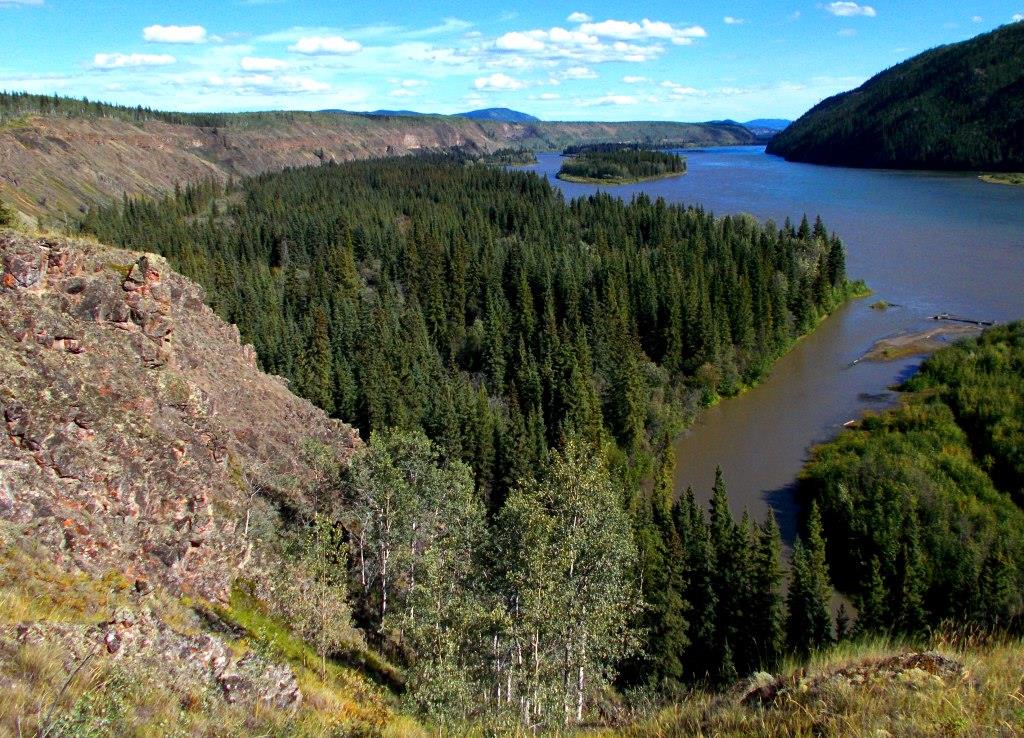
A century after the Horsfalls vacated their homestead, the location is still known locally as the ‘Horsfall place’. Their buildings eventually became victims of riverbank erosion and went into the river during the 1990s and vegetation has grown back over the clearings that once existed there. A few pieces of metal and wood can be found in the bush and the subtle marks of cultivation can still be discerned in places on the ground.
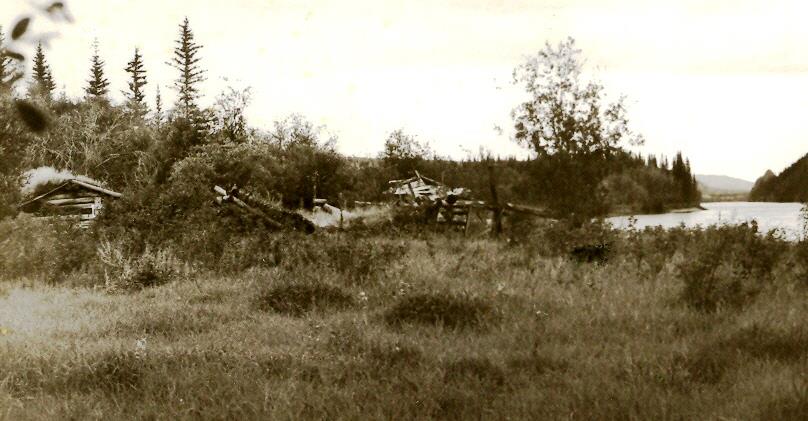
In 1966, years after both Joseph and Julia had died, their homestead and the adjacent Woodburn homestead that they also owned were put up for sale by the Yukon Government for delinquent taxes. There appear to have been no buyers for the lots and they reverted to becoming government land. In 1988 a two-acre parcel of land was surveyed out in the southwest corner of the Horsfall homestead site as private property and has a cabin on it.
(Gord Allison photo)
The Horsfalls at Minto and Carmacks (ca. 1925 – ca. 1940)
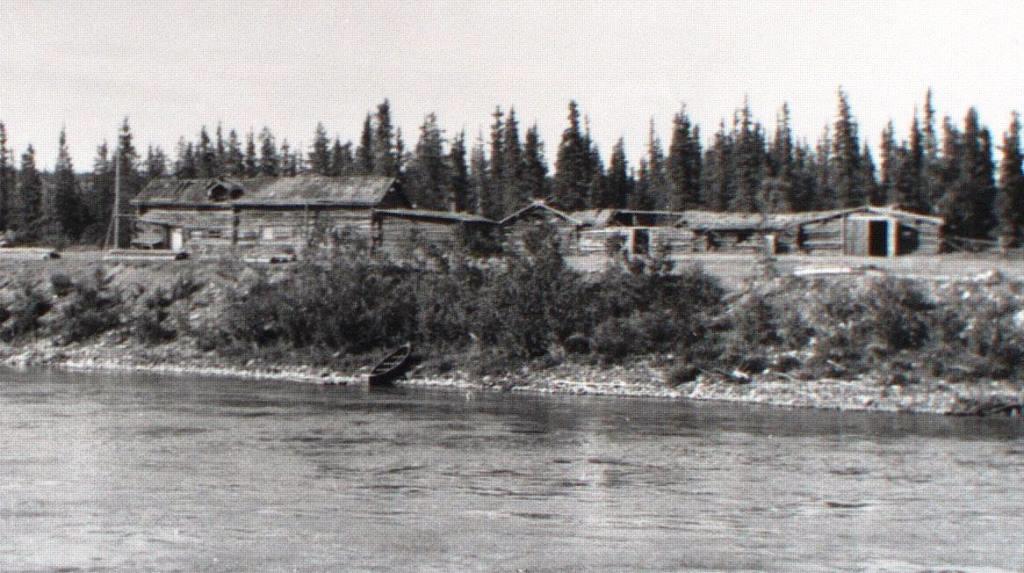
The Horsfall family relocated 27 miles up the Yukon River from their homestead to Minto in the latter 1920s and began to operate the roadhouse there, which would have been mainly a winter enterprise along the Overland Trail. In the 1931 Census Joseph and Julia were at Minto with their three youngest daughters, Anna (18), Martha (15), and Marian (13). Joseph was shown to be a mail carrier and Julia was a ‘homemaker’, whereas Anna and Martha were ‘housekeepers’, suggesting these daughters were working in the roadhouse. Also enumerated with the Horsfalls were the third-eldest daughter Lily, her husband Art Zimmerlee, and their three young children, all who normally lived at Fort Selkirk.
(Yukon Archives, Zimmerlee family fonds, Acc. 87/64, #57)
Julia was said to be the midwife for the area, and one occasion where her skills and experience were put to use was recorded in the summer of 1930, when Pauline Lepage, wife of woodcutter Happy Lepage, went into labor at Yukon Crossing. Julia had told her when that time arrived she would come the 24 miles up the Yukon River to stay with her. Happy knew the steamboat Casca was on its way upriver from Dawson to Whitehorse, so he phoned to Fort Selkirk and left a message for the boat to pick Julia up at Minto along the way. After arriving at Yukon Crossing, Julia took Mrs. Lepage on a long walk and later during that night helped her deliver Phyllis (Lepage) Simpson on July 1, 1930.
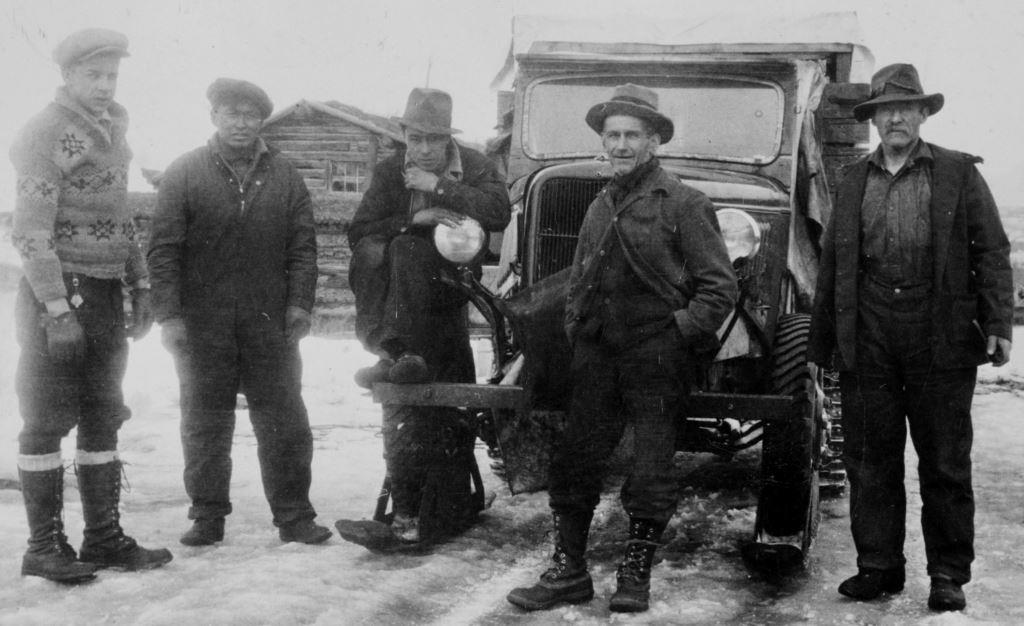
Joseph was noted as a mail carrier for the post office in the 1931 census, and it appears that he did this for a number of years in the 1930s. The winter mail for Fort Selkirk was dropped off at Minto by the Overland Trail mail contractor and Joseph’s job was to deliver it there (mail in the summer was delivered on the steamboats). For the winter of 1937-38, he was contracted to deliver the Fort Selkirk mail three times per month from November to April and once in May for $33.33 per trip.
(Yukon Archives, Louis Irvine fonds, Acc. 82/295, #1902)
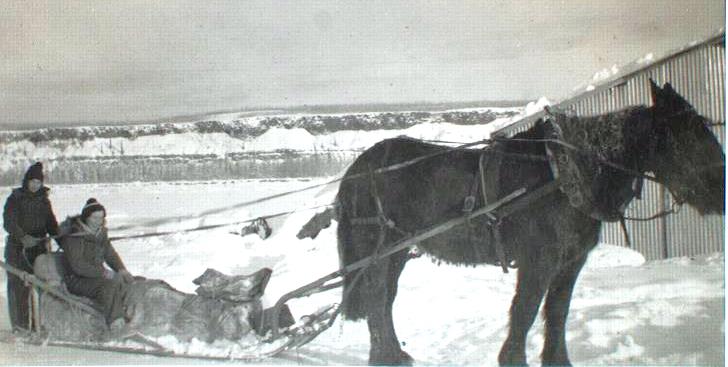
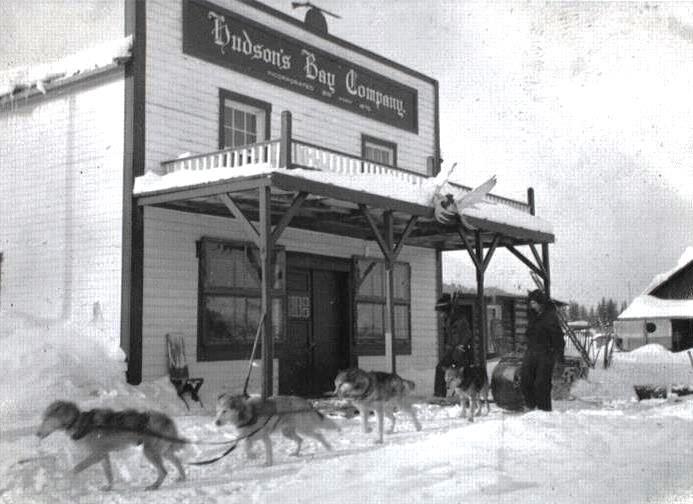
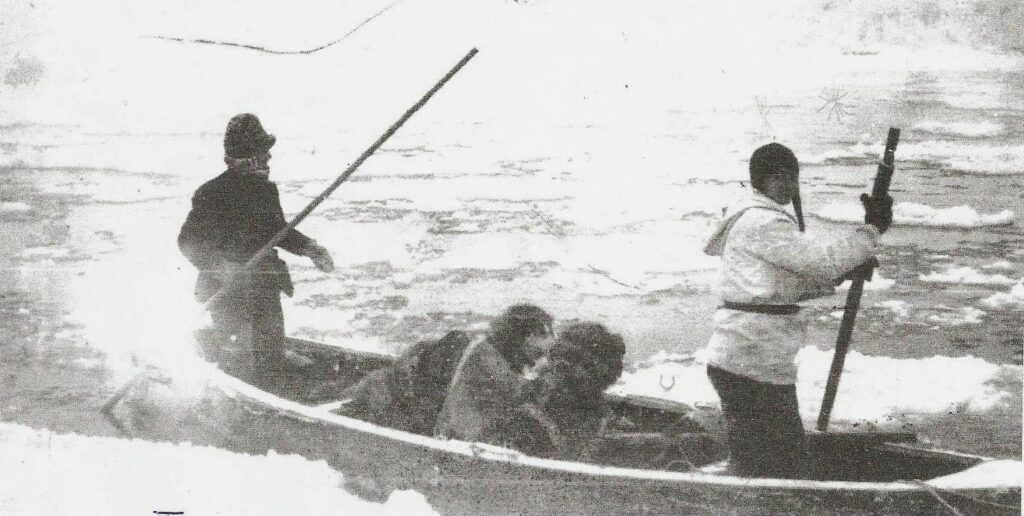
Joseph carried the mail from Minto to Fort Selkirk on the ice of the Yukon River primarily with a horse and sleigh, but other means such as canoe or dog team were often required at the times of river freeze-up and break-up. Joseph was into his 70s by the middle of the 1930s and his daughters Anna and Marian helped him with this work. As a child growing up in Fort Selkirk, Ione Christensen remembers Anna with a horse and toboggan bringing the mail along with freight for the two stores there.
(Yukon Archives, Jim Kirk fonds, Acc. 89/83, #10)
(Yukon Archives, Jim Kirk fonds, Acc. 89/83, #7)
(Photo provided by Susan Bergeron, April 2025)
Delivering the mail and running the Minto roadhouse were wintertime occupations for Joseph Horsfall and his family, and he would have engaged in whatever other things he could in the summers. In 1934 Hugh Bostock, the Yukon geologist, recorded running into Joseph in the bush near Freegold Mountain, northwest of Carmacks. Joseph was guiding two brothers into the area and had gotten off the trail, and after three days they were running out of food. Bostock and his crew, already aware of a reputation Joseph had for getting lost, gave them some food and pointed them in the right direction. Joseph was also known for losing dog packs on trips, as two years previously a co-worker of Bostock found two of these packs in the bush.
By the end of the 1930s, two of the Horsfall daughters, Rose (by then married) and Anna were living in Carmacks and both were postmasters there for short periods of time. It appears that not long after this, Joseph and Julia left Minto and moved further up the Yukon River to Carmacks, perhaps because Rose had remained there.
By 1940, Joseph and Julia Horsfall’s eight daughters ranged in age from 22 to 41 and a number had families of their own, with some living out of the Yukon. There are a few records indicating that the daughters’ upbringing in the Yukon bush had provided them with noteworthy proficiencies, similar to those Charles Sheldon attributed to their mother Julia a few decades prior. These references relate primarily to Anna and Marian, two of the younger daughters and the ones who assisted their father in his mail delivery duties.
In the summer of 1937, a newspaper journalist from Victoria made a trip down the Yukon River and came into contact twice with Anna and Marian, who were in their early 20s. One of these meetings was at a cabin they had built themselves near Five Finger Rapids and spent the previous winter there cutting and hauling wood to the riverbank to sell to steamboats for fuel. The journalist described their abilities to hunt, fish, and trap, drive dog teams, and build a raft to float down to Dawson, where they would sell it for firewood. When he met the sisters, they had never been out of the Yukon and had no desire to do so.
Hugh Bostock, the Yukon geologist who knew Joseph and Julia Horsfall and perhaps some of the daughters, related a story about Anna when she was working as a cook at the Maisy May Farm on the Stewart River. One day a bull moose appeared in the meadow and some men from the haying crew began shooting at it but kept missing. Anna came out of the house to see what was happening and saw the moose on the run away from the farm. She said “we need meat”, demanded a rifle, and dropped the moose with one shot. Bostock added that Anna and her sisters’ capabilities in all aspects of Yukon bush life was common knowledge.
Ending
Newspaper articles show that Joseph and Julia were still in Carmacks in 1941, but at some point they relocated from there into Whitehorse, where they spent their final years. Joseph died on December 31, 1943 at the age of 79 and is buried in the Pioneer Cemetery, but his burial place is no longer known.
Joseph spent 45 of his 79 years with his wife Julia Kirkby Sim, 41 of them in the Yukon. Things written about him include a reputation for poor bush skills, but the young man from England who came to the Yukon constructed a life for his family in that same bush through hard work and determination. He hunted and fished to feed his family, ran traplines, pulled and poled boats up rivers, cut many cords of fuelwood by axe and saw, carved out a homestead from the land, and in his senior years carried the mail in sometimes hazardous conditions. He did this while raising eight self-reliant daughters with Julia, as well as a son for a sorrowfully short time.
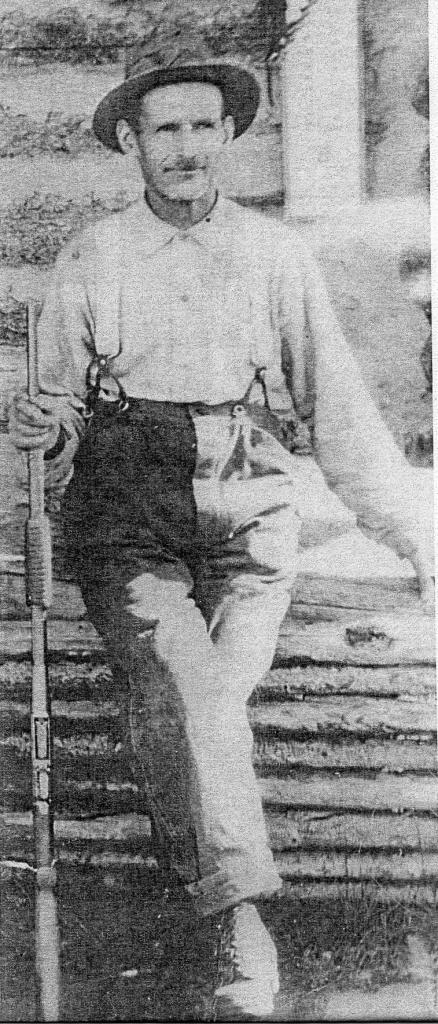
(photo provided by his great-niece Susan Bergeron, 2017)
Julia passed away at the approximate age of 83 on August 3, 1959, nearly 16 years after her husband, but there is little public information about her life during this time. Unlike Joseph, her burial place in the Pioneer Cemetery is known and hopefully his is beside it.
Julia’s Gwich’in upbringing appears to have prepared her well for the life she undertook with Joseph Horsfall. If he was deficient in some bush skills, she may have more than made up for it with her own and undoubtedly passed many along to him that he needed for that life. She supported their undertakings, and perhaps led some, while raising their children and helping deliver babies for other people.
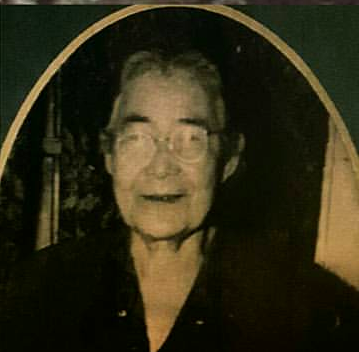
(photo provided by Joseph’s great-niece Susan Bergeron, 2017)
Forty years after Julia died, the last of her and Joseph’s daughters died with the passing of Anna in British Columbia in 1999. This was 100 years after they started their family with the birth of their first daughter, Jane, in Fort Yukon, Alaska in 1899.
A legacy of Joseph and Julia Horsfalls’ lives in the Yukon can be found in two geographical features that are named in their honor. In 1936 a creek flowing from the west slope of Dromedary Mountain into the MacMillan River 97 miles upriver from present-day Pelly Crossing was officially named Hosfall Creek (the spelling was corrected to Horsfall in 1954). In 1968, 25 years after Joseph died and nine years after Julia’s death, a range of low hills on the south side of the community of Carmacks was named the Horsfall Hills.
The ‘Horsfall place’, at one time a childhood mystery to me, became just one part of a remarkable family story pieced together decades later. What began as research about a Yukon River homestead grew into a much larger story, starting with an English man’s Klondike aspirations that led him to meeting his future wife, a Gwich’in woman of northern Canada and Alaska. Together they made a life of a variety of endeavors and raised a large family along rivers of the central Yukon, a 45-year story that ended up connecting many Yukon history elements.
My thanks to Susan Bergeron, a great-niece of Joseph Horsfall, whose family history research provided additional information and some photographs for this article. Thank you also to Mike Rourke for sharing his information and photo of the Horsfall homestead buildings.